Front office & reception
Answer the enquiry. Route the caller with context.
Your front desk handles two different jobs: answering questions about the business and helping callers reach the right person. Swarit lets you plan both journeys while keeping the information and handoff each one needs clear. Use a guided workflow to collect the right details and business knowledge to answer the next question.
Human-like voice agents. 11 Indian languages and English.
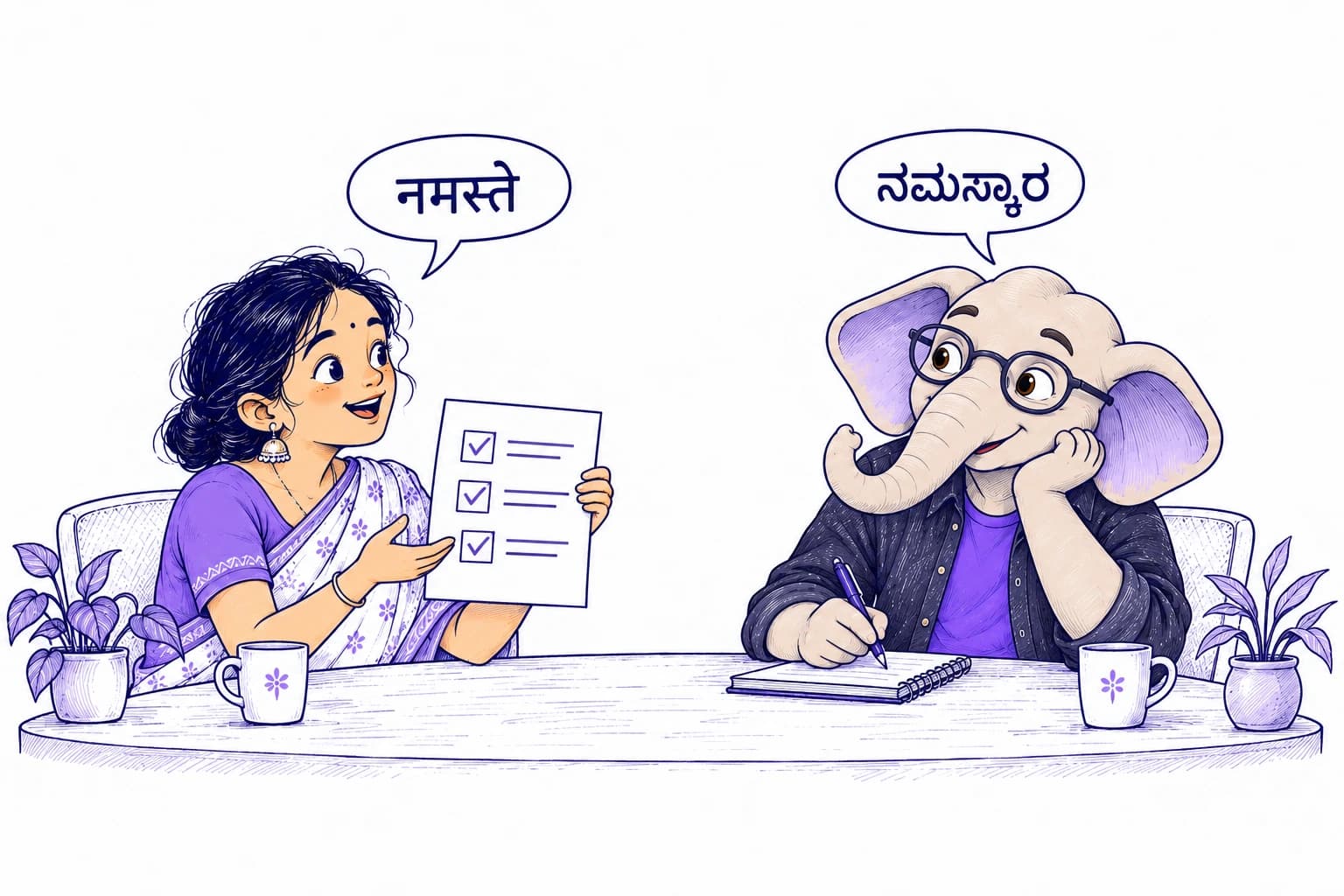
Separate a service question from a routing request
A caller asking which branch provides a service needs a substantive answer. A caller asking to leave a message for a department needs identification, a reason for calling and a destination. These can share an entry conversation but should produce different outcomes.
The marketing stack treats front office and reception as separate workflows for that reason. Front office explains services, locations, policies and procedures. Reception identifies callers, captures messages and routes the request to a person or team.
Give front-office answers an information owner
Supply current locations, hours, service descriptions, visitor procedures and common process questions. Have the relevant business owner review answers and update the information when the business changes.
If a caller’s question turns into an appointment request, buying enquiry or support issue, preserve that intent and use the right workflow. A general question about opening hours should not require the same personal information as a support escalation.
Make reception messages actionable
A reception record might contain the caller’s name, organization when relevant, reason for calling, requested department and callback preference. Let the caller clarify a name or department when the destination is ambiguous.
Capture the message in terms the receiving person can understand. Include urgency as reported by the caller without inventing priority or promising a response time the team has not agreed. A message awaiting review should remain visibly pending.
Be precise about routing and transfer
Capturing a destination is different from connecting a live call. A live transfer needs a supported telephony route and an available recipient. If your workflow collects messages for the team, explain that outcome clearly to the caller.
Public telephone callbacks and SMS verification are currently paused on the Swarit website. Use the browser playground for the conversational experience and discuss your business’s phone routing with the team. The article’s workflow does not imply that a phone number is ready to activate instantly.
Begin with your most common first questions
List the questions reception answers repeatedly and the departments that receive most messages. Build a small knowledge set and a routing map with explicit owners. Include a fallback for a caller who does not know the department they need.
Review whether the next person can act on the message and whether the caller heard an accurate expectation. Try the Hindi playground with your opening questions, then bring Swarit a directory, the approved business information and a sample handoff. Start with one location before extending the routing map.
Questions before you start
How is front office different from reception?
Front office answers substantive business questions. Reception identifies the caller, captures a message and directs it to a person or department.
Does routing mean a live transfer?
Only when a supported live-transfer setup is configured. A reception workflow can instead capture the destination and deliver a request for your team to handle.